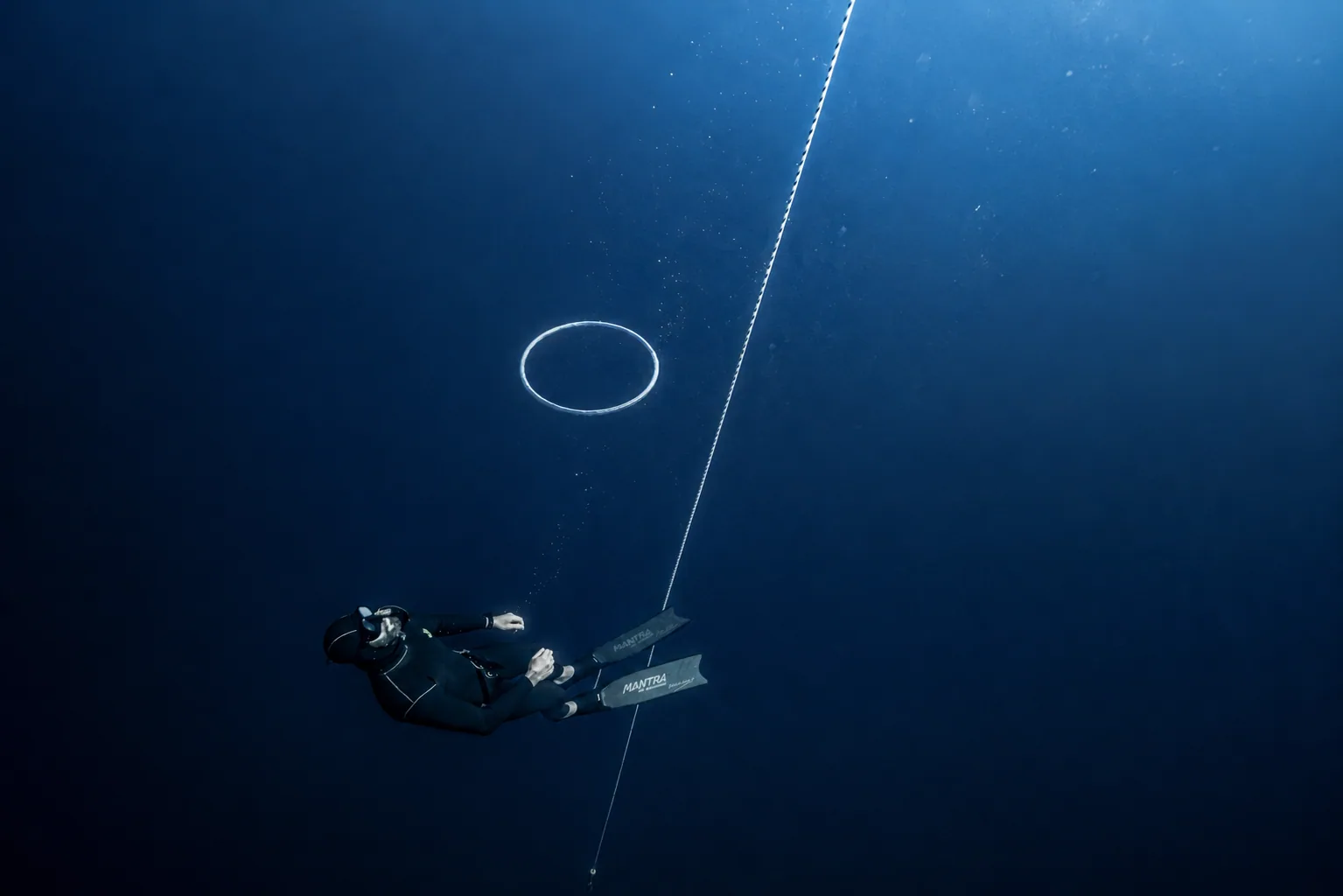
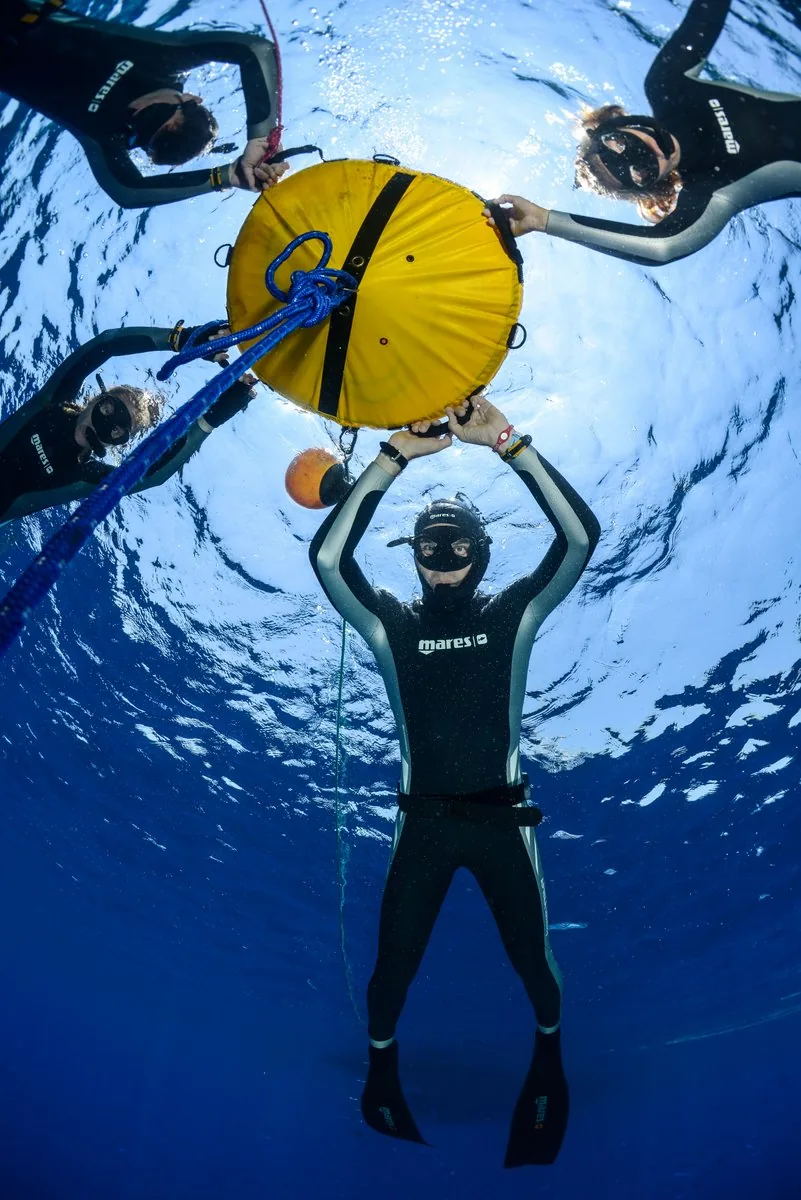
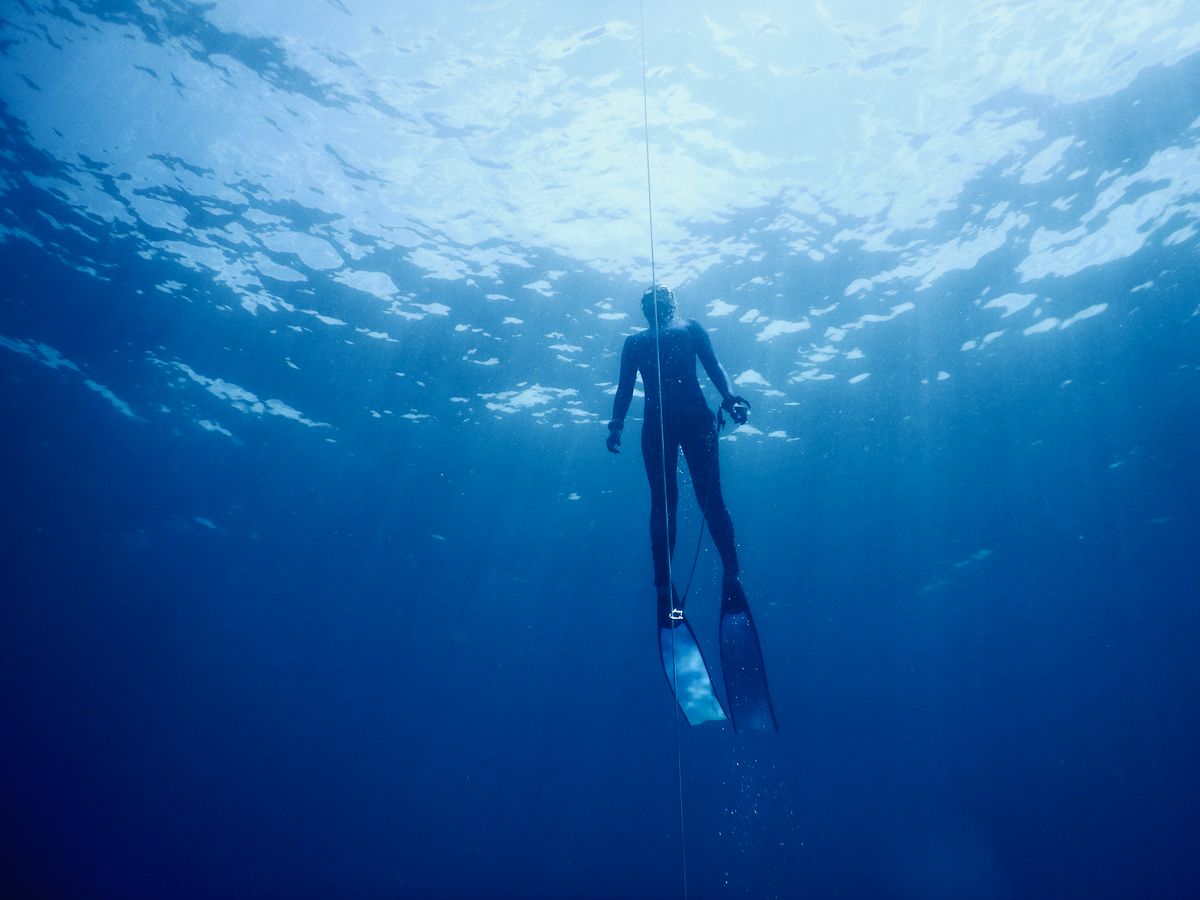
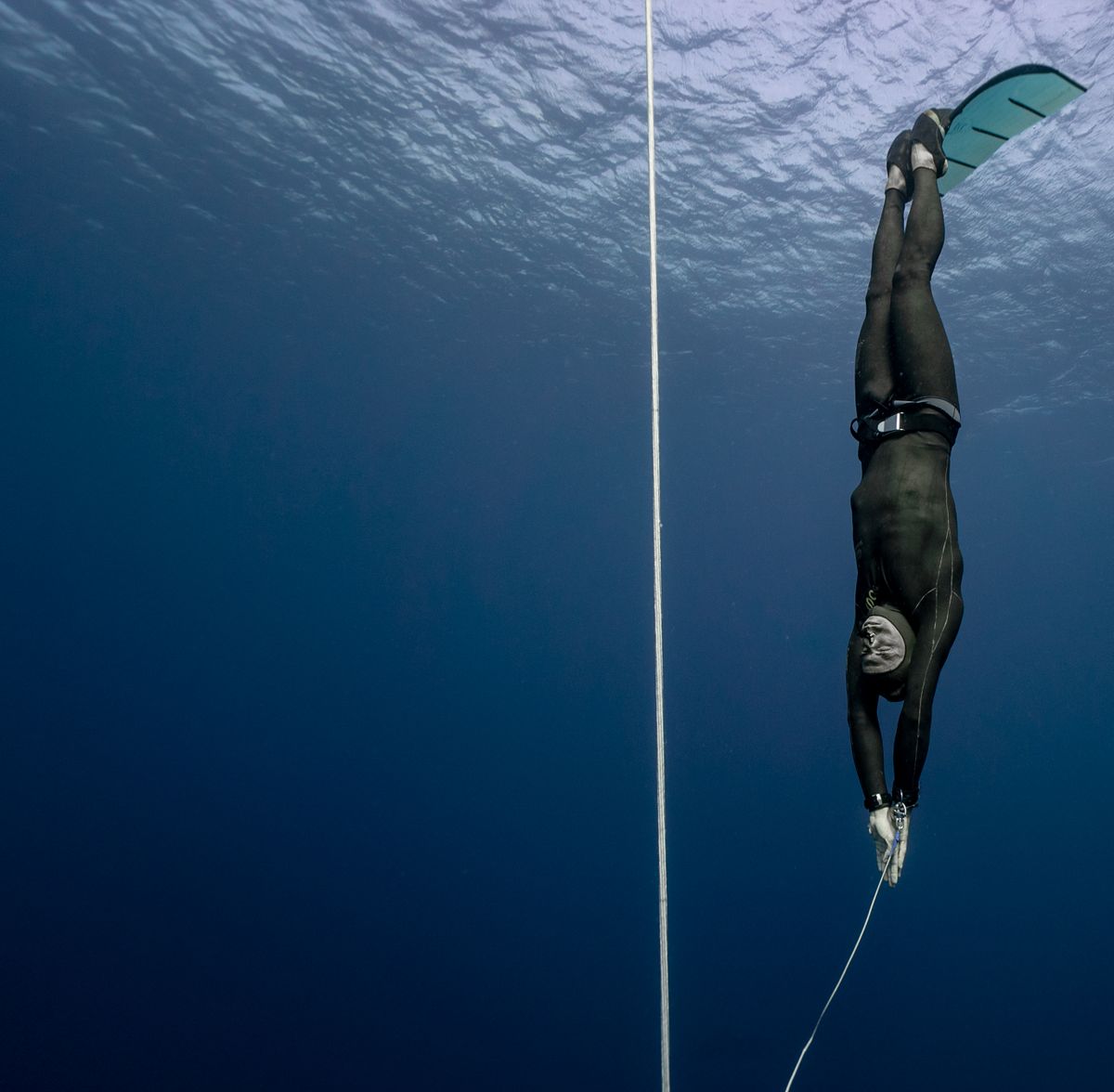
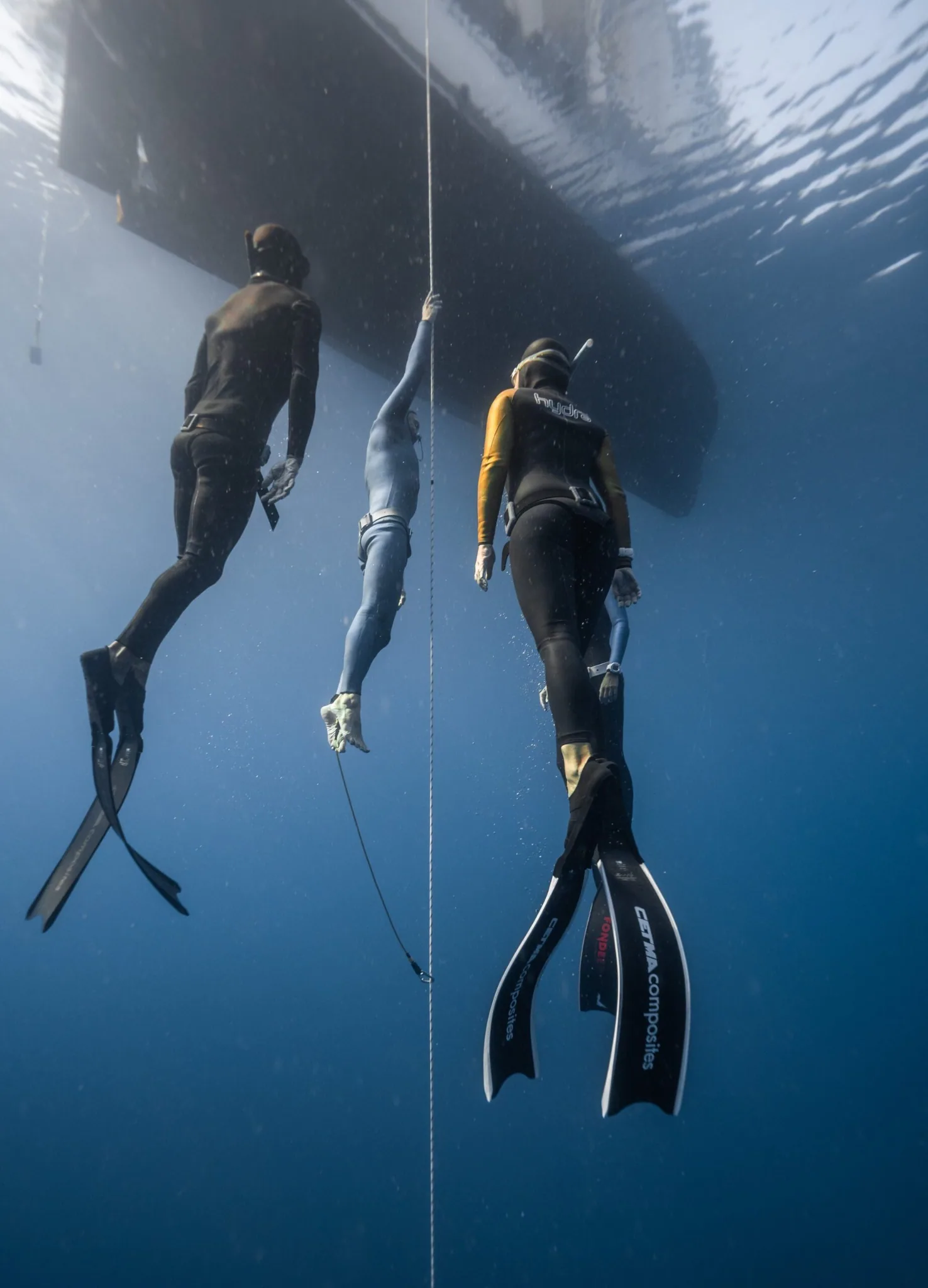
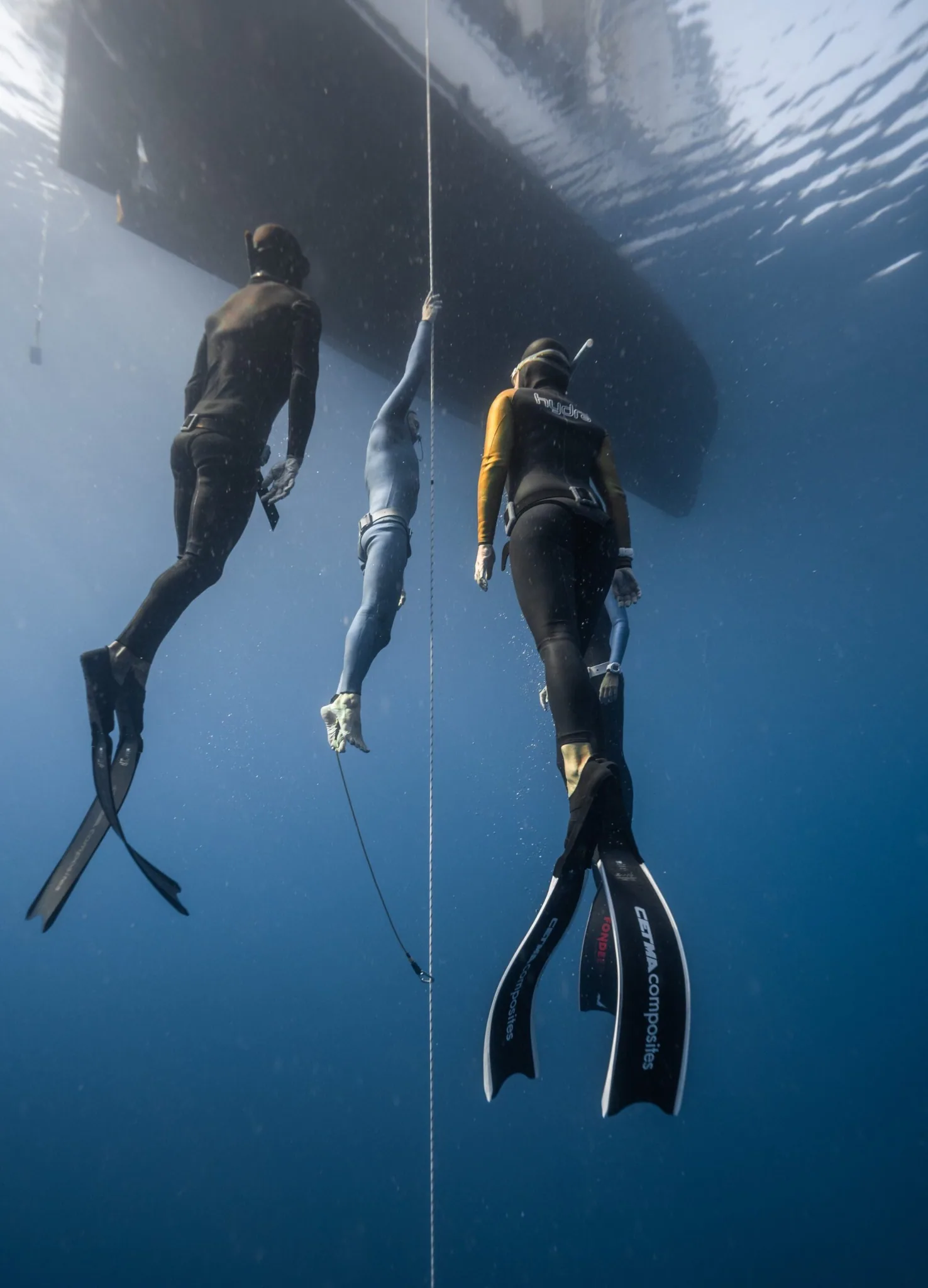
Freediving, also called apnea diving, is underwater diving on a single breath. Instead of using scuba equipment, a freediver relies on breath-hold ability, relaxation, efficient movement, equalization and an understanding of how the body responds to immersion and depth.
For some people, freediving is recreational: a way to explore reefs, marine life and the underwater world with freedom and minimal equipment. For others, it is a structured sport with pool and depth disciplines, measurable performances and competition rules. In both forms, good freediving is about much more than holding your breath or chasing depth.
Freediving has deep roots in human history. For thousands of years, people have dived on breath-hold to gather food, harvest marine resources and explore beneath the surface. Modern freediving developed these natural abilities into a sport and training discipline focused on technique, awareness, relaxation, safety and personal progression.
The human body has natural responses to breath-holding and immersion, often described as the mammalian dive response. Understanding these physiological changes — together with pressure, equalization, oxygen management and safe buddy procedures — is an important part of learning to freedive.
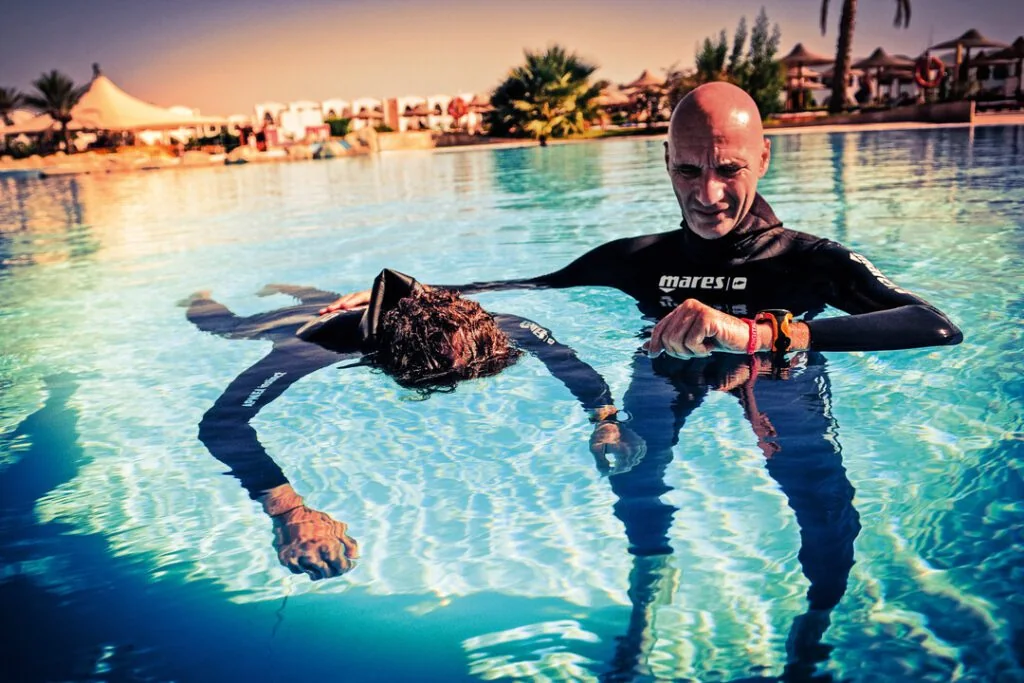
At Life Aquatic in Kaş, Türkiye, we approach freediving as a combination of education, technique and experience. Proper training helps divers understand their limits, develop efficient movement and equalization, and progress in a controlled environment with appropriate safety procedures.
ONE BREATHRELAXATIONTECHNIQUEEQUALIZATIONAWARENESSSAFETY
EXPLORE FREEDIVING COURSES →