What is Yoga?
Yoga & Breath
Depth Begins With the Breath
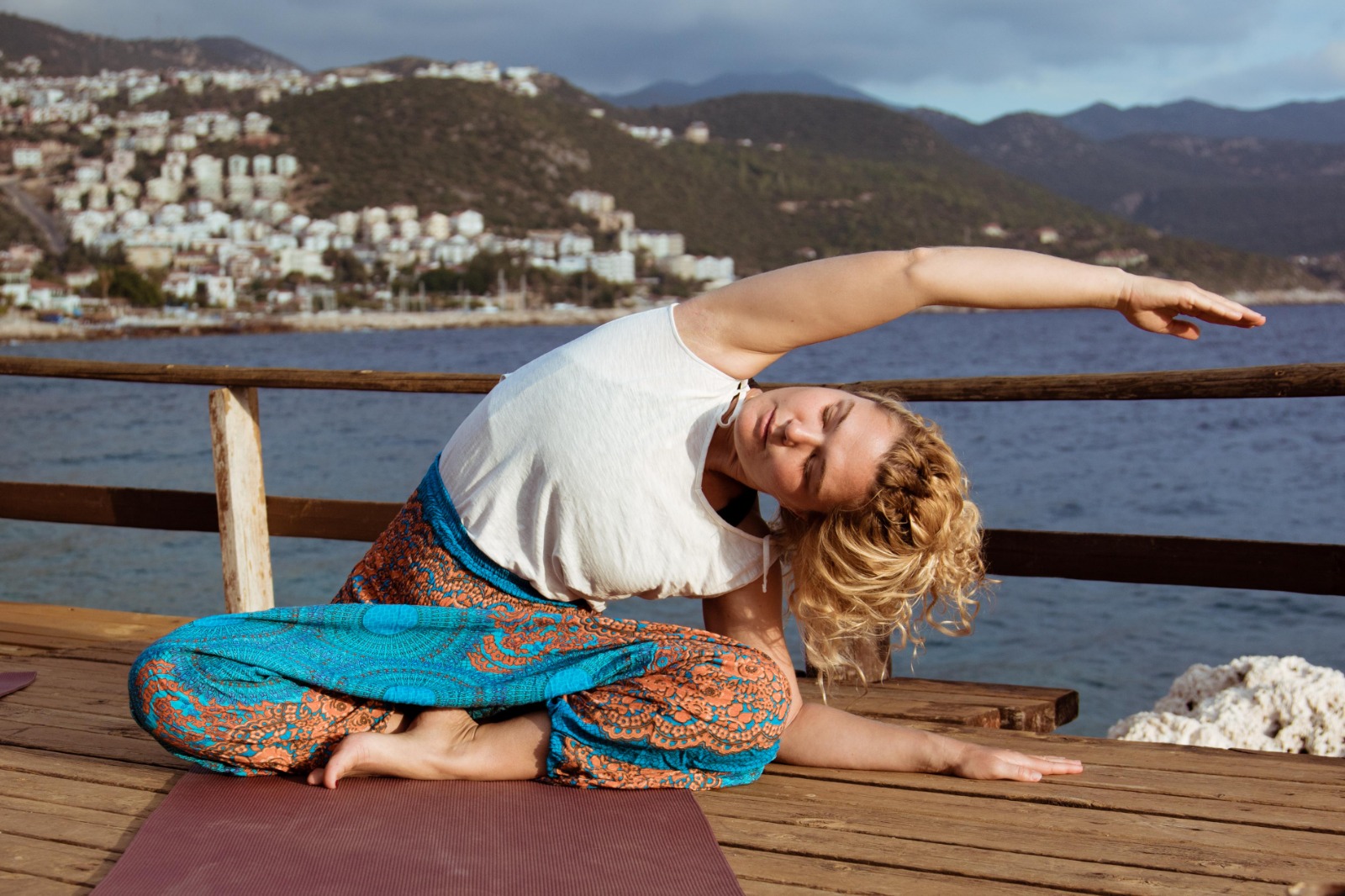
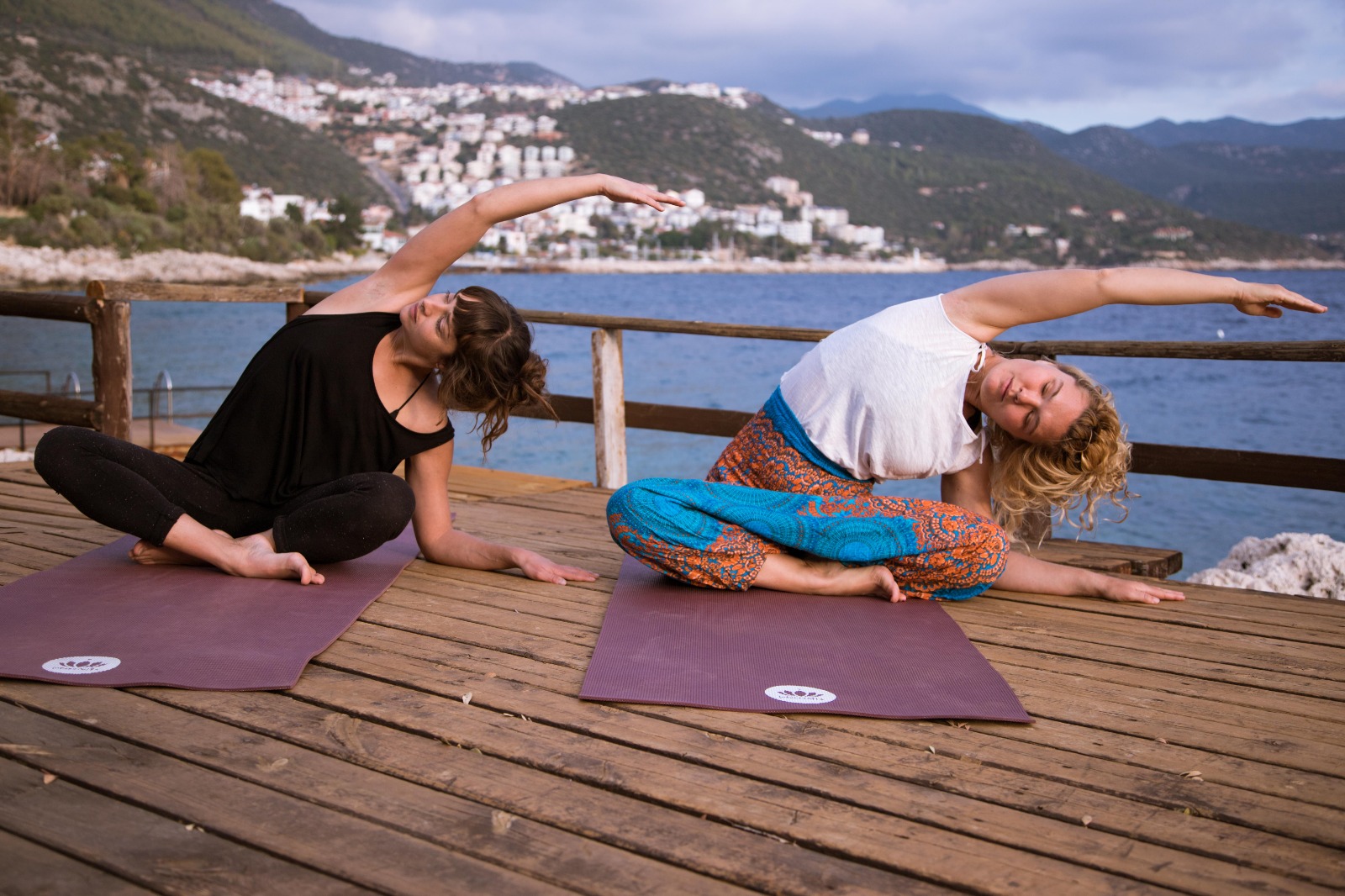
Yoga is a holistic awareness practice that brings breath, body, and mind into alignment.
At Life Aquatic, yoga is not practiced to push limits, but to create balance, calm, and clarity.
Here, yoga begins on land —
and carries its effect into the water.
Why Yoga?
-
Deepens and calms the breath
-
Increases body awareness
-
Reduces mental tension and stress
-
Improves focus and inner balance
Yoga helps restore the natural rhythm often lost in modern life.
The Relationship Between Yoga & Breath
At the heart of yoga lies breath awareness.
Conscious breathing regulates the nervous system and invites the body to relax.
Every breath teaches presence.
Every posture teaches listening.
Yoga & Freediving
In freediving, depth is not measured only in meters.
Calmness, breath control, and mental clarity are just as essential as technique.
Yoga:
-
supports breath-hold comfort
-
enhances body control
-
promotes relaxation underwater
That is why yoga is a natural part of the Life Aquatic freediving philosophy.
Yoga at Life Aquatic
At Life Aquatic, yoga is practiced:
-
not for competition, but for awareness
-
not to force, but to balance
-
not to rush, but to slow down
Each session is shaped around the individual and their breath.
Who Is It For?
-
Beginners to yoga
-
Freedivers and water enthusiasts
-
Anyone looking to improve breath control
-
Those seeking calm, focus, and body awareness
No prior experience is required.
Only a willingness to listen to your breath.
Depth Begins on Land
Discover your breath,
feel your body,
quiet your mind.
Comfort underwater starts with calm on land.


The Benefits of Yoga
Increase the self healing
The human body is excellently intelligent. It manages to maintain a complicated physiological balance day and night, through every stage of life. Practising Yoga helps the body to maintain this complex balance, which increases your capacity for self healing.
According to Yoga, the main cause of disease lies in difficult emotions.
Practising positive thinking and meditation makes it less likely that you will be affected by negative emotions. If you first pay attention to your body, practising Yoga asanas (postures), pranayama (breathing exercises), and relaxation, it will be easier to meditate and think positively. By eating well you can also support yourself.
In Yoga all these elements come together. As a matter of fact, the Sanskrit word Yoga means „union“. Practising Yoga, helps the body to find its natural balance and teaches the mind to be a responsible and clever driver of the body.

Freediving and Yoga
Yoga, breath training, bodily awareness, relaxation and meditation are really the foundations of personal balance, on the physical level and beyond, and an important part of freediving. Sportsmen of many disciplines, freedivers and their respective trainers all agree that Yoga and meditation are essential tools for optimum living and focusing to reach personal targets. If you are new to yoga and meditation you’ll be surprised at how much the pre and post dive sessions influence your mind and body towards full relaxation.
This combined practice helps us to equip our bodies to face the various challenges of freediving. It brings us into a physical condition which allows us to more easily handle the increased pressure found at depth by keeping the muscles that support the ribcage strong and flexible. In this way regular participation in such a regime reduces to a minimum the lung injury risks associated with freediving beyond a depth of 30m.
Its not only because we want to keep you safe, we value this combination so much because yoga and meditation have a profound ability to create the level of mind body stillness and poise that equals peak performance in freediving.
Yoga is a mirror to look at ourselves from the inside.

Yoga exercise (ASANAS)
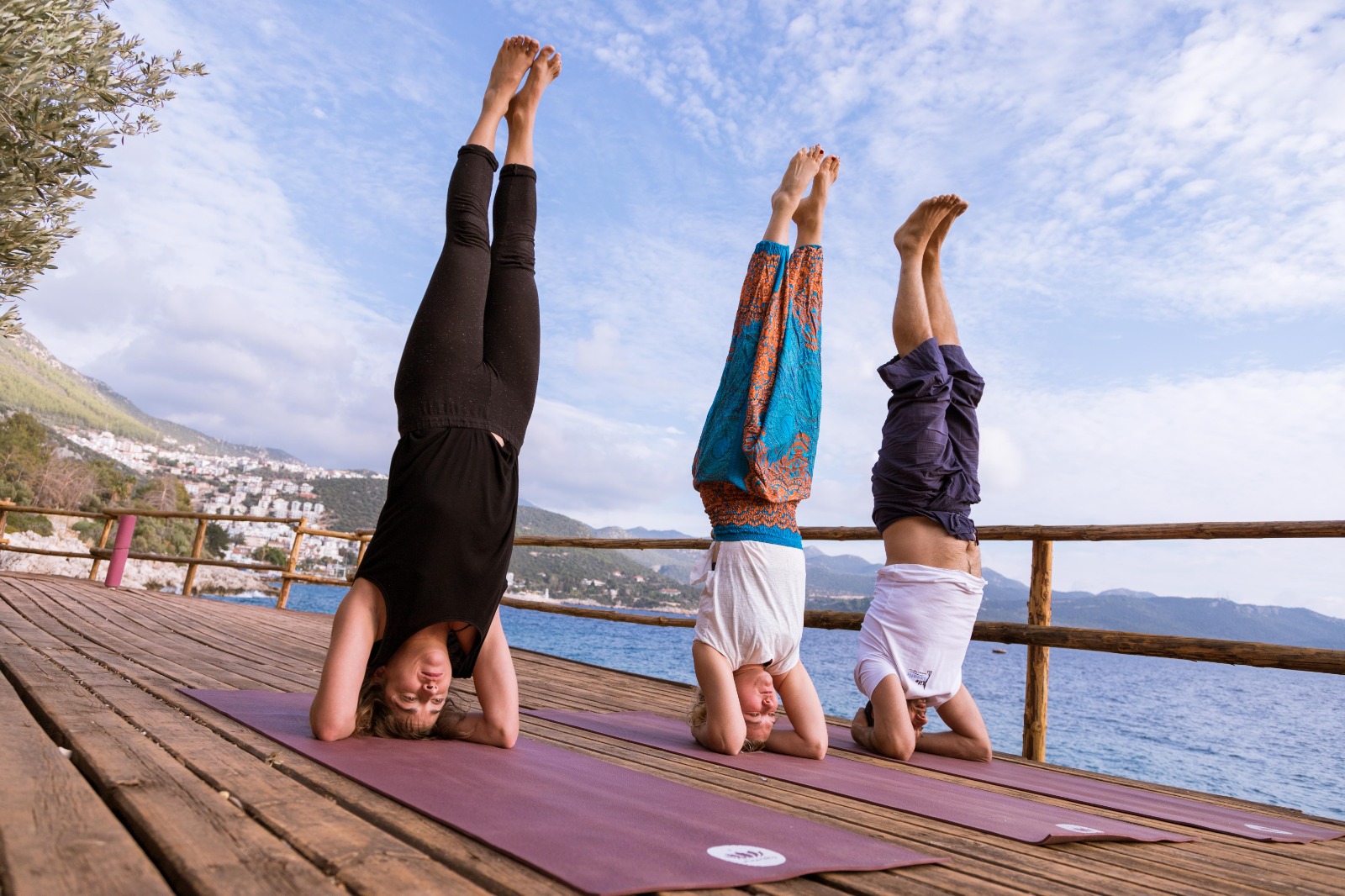
Asanas (Yoga Postures) regenerate and rejuvenate the whole body. Primarily they work on the spine and the nervous system. The spine gains in strength and flexibility, and circulation is stimulated, bringing nutrients and oxygen to all the cells of the body. Asanas increase motion in the joints and flexibility in muscles, tendons, and ligaments. In addition they massage internal organs, supporting their functions.
Breathing exercise (PRANAYAMA)
Breathing is like no other body function, because it connects us with our environment.<br /> Plants take in carbon dioxide and give off oxygen, while human beings and animals inhale oxygen-rich air and exhale air high in carbon dioxide. Breathing exercises help to increase the gas exchange in the lungs and in all the cells of the body.<br /> Breath control is an essential part of yoga: the word Hatha means „union of the sun (Ha) and the moon (Tha)“ ,where sun and moon refer to inhalation and exhalation respectively.<br /> Both Asanas and Pranayama provide excellent training for the breath, which increase vital energy, fine-tunes the nervous system, and eventually leads to control the mind.
Relaxation (SAVASANA)
Deep relaxation works on three levels, physical, mental and spiritual and is the most natural way to re energize body and mind. Regular relaxation acts like a car cooling system: keeping the engine from over-heating and ensuring the vehicle functions efficiently. During deep relaxation at the end of a Yoga class, the body uses only enough prana (life energy) to maintain vital metabolic activities.<br /> The rest of the energy gained during practice is stored.
Meditation
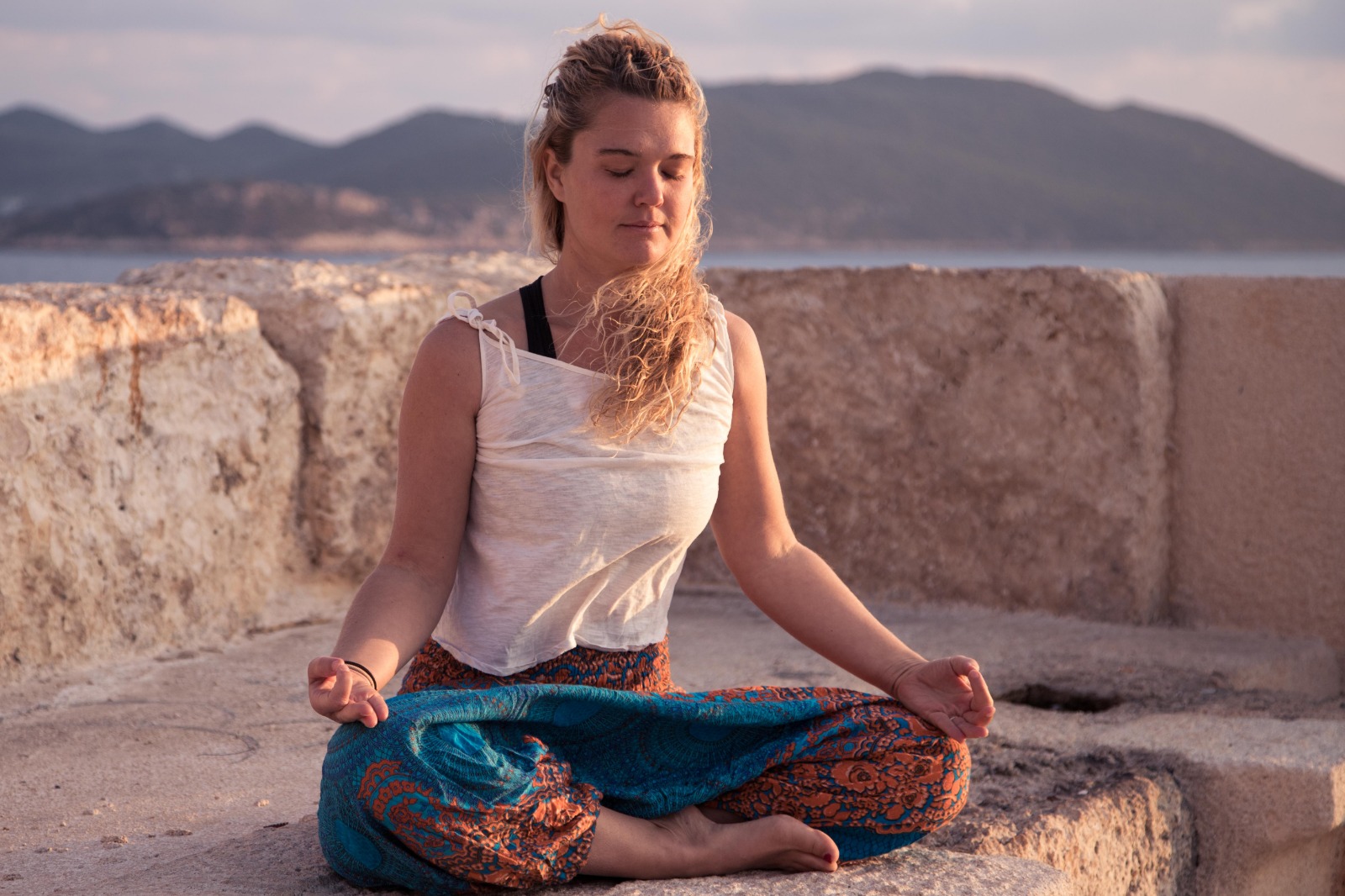
Meditation is the yogic key to peace of mind. Meditation techniques calm the mind and enhance focus. Regular meditation promotes physical and spiritual, as well as mental, well being. Before meditation, yoga practitioners clear the mind of negative thoughts and feelings, using concentration and positive-thinking exercises.
Yogi Diet
The yogic attitude to food is eat to live, not live to eat. Yogis choose foods with a positive effect on body and mind, and least negative effects on the environment and other creatures. Lacto-vegetarian diet is recommended, grains, pulses, fruits, vegetables, nuts, seeds, and dairy products. Fresh and unrefined foods are thought best, prepared simply, to prserve maximum nutrients.
Mudras
The meaning of ‘Mudra’, which is a Sanskrit word, is ‘seal’. Mudra hand positions are physical gestures that have an effect on the energy flow of the body. The old traditional practice of yoga connects the hand mudras to the changing spiritual and mental aspects of a person. The mudras are usually finger positions like in the Chin Mudra (Sanskrit:. छिन्मुद्र cinmudrā) where the thumb held together with the forefinger. Symbolically, it stands for self-realization. Chin Mudra is the mudra of consciousness, the Mudra, which leads you to the experience of pure consciousness.<br /> We use Chin Mudra mainly for meditation. Practicing the different types of mudras for health is considered good as it provides physical, mental, as well as spiritual benefits. Mudras, also known as hand yoga, typically involves placing the hands and fingers in certain positions as described in the Vedas.